

Founders
Anouska Lester
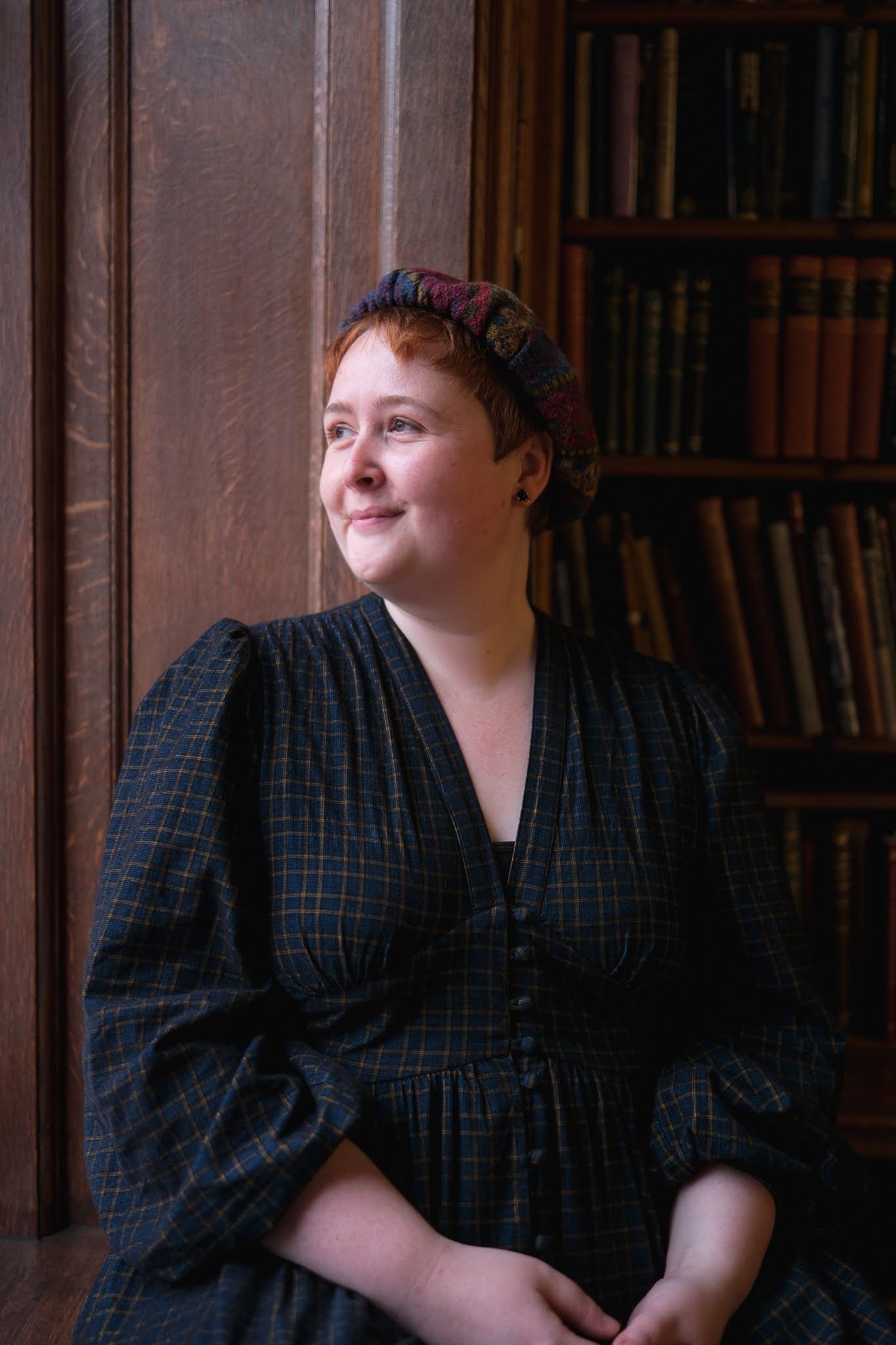
Co-Founder
Anouska (she/her) is an Honorary Research Associate with the University of York and AHRC Huntington Library Fellow. Her doctorate with the University of Roehampton examined the ephemerality of early modern props, costumes, and documents, and her current research explores material culture and histories of collecting. She has worked with the Society of Antiquaries of London, Shakespeare Birthplace Trust, and Ashmolean Museum. She is co-editing Marlowe and Nashe’s Dido, Queen of Carthage for Oxford University Press with Martin Wiggins and her Cambridge Element, Lost Texts and Performance Palaeontology, in 2026.
Photographer credit: Aniella Weinberger
Sierra Carter

Co-Founder
Sierra (they/them) completed their PhD with the Department of English and Related Literature at the University of York. Drawing on a survey of 500 extant playbooks, their thesis—’Epistolary Culture and Early Modern English Drama, ca. 1550-1642’—examines how manuscript, print, and performance provided imaginative mediums for depicting everyday letter-writing practices while responding to and shaping England’s burgeoning market for epistolary literature. Currently, they are writing about typography, quotation marks, and Interregnum letter-writing manuals.
Current Committee
Juliana Beykirch

Revels Officer (2022- )
Conference Committee (2024-2025)
Juliana has just submitted her PhD thesis, entitled ‘Monstrosity and Performance on the Seventeenth- and Eighteenth-Century Stage’, at Newcastle University. Her thesis examines performances of ‘monstrosity’ in diverse dramatic forms, ranging from 1630s court masques to the experimental theatre staged around the 1737 Licensing Act. She is particularly interested in stage ‘monsters’ and the extraordinarily embodied performers portraying them.
Izzi Strevens
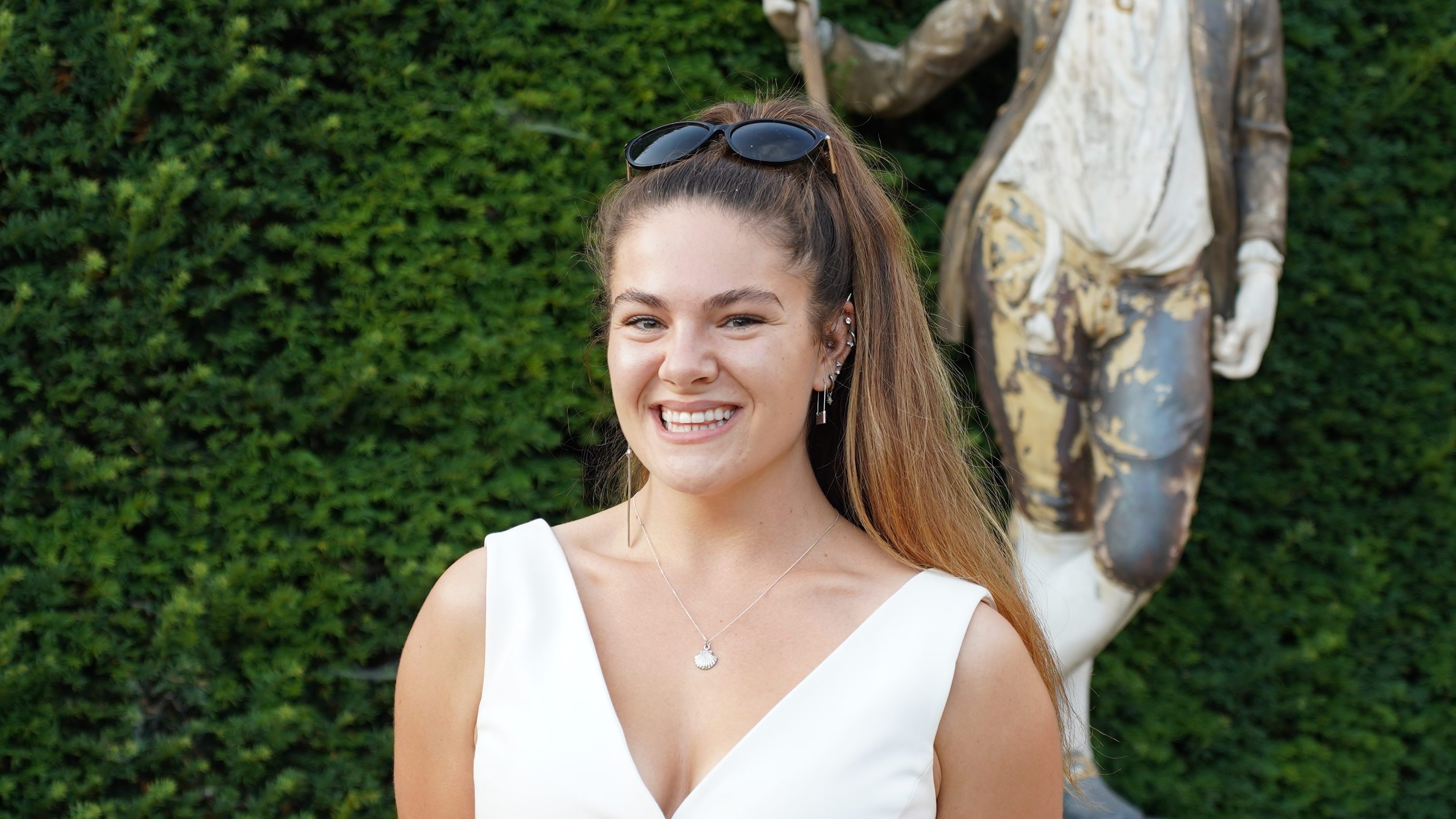
Revels Officer (2025-)
Izzi is a second-year PhD student at the University of Bristol, researching dismemberment on the early modern stage. She is fascinated by violence in tragedy and approaches her work from the perspectives of stage materiality, classical reception, and the medical humanities. She also teaches two modules in the Department of English at Bristol. She works as a Research Assistant for The Beyond Shakespeare Company, has published performance reviews with Shakespeare Bulletin, and has recently recorded a podcast episode with Beyond Shakespeare.
Maria Maciejewska

Revels Officer (2023- )
Conference Committee (2024-2025)
Maria is a PhD student at the University of Innsbruck. Her thesis is a critical edition of an early-modern Jesuit play on Japan. Maria was a researcher at the LBI for Neo-Latin Studies in Innsbruck where she worked on the joint Austrian-Japanese project “Japan on the Jesuit Stage” funded by FWF and the JSPS. Thanks to Marietta Blau-Grant from OeAD, she conducted a year-long query in Rome, where she worked in ARSI and Peter-Hans Kolvenbach Library. She is interested in special collection librarianship (manuscripts) and archival studies.
Founding Members
Bethan Davies

Founding Member
Revels Officer (2023- )
Conference Committee (2024-2025)
Bethan is an Associate Lecturer at Anglia Ruskin University and the University of Roehampton. Her research looks at the global and domestic intersections between sugar and femininity in English drama and culture. She has worked with The National Archives, BBC Sounds, and Quarto Publishing on education and outreach projects related to her research.
Emily Smith

Founding Member
Revels Officer (2022-2023)
Emily Smith is a research and teaching fellow (maître-assistante) at the University of Geneva, where she completed her PhD in May 2024. Although primarily interested in early modern theatre, she is often found interloping into disciplines such as linguistics, cognitive studies, and digital humanities.
Mirjam Haas

Founding Member
Revels Officer (2023- )
Conference Committee (2024-2025)
Mirjam is a PhD student, researching and teaching at Mainz University. She spends most of her time listening to podcasts, audiobooks and radio plays and somehow that turned into her doing a PhD on sound in early modern drama. Other things she’s interested in are literary linguistics and children’s literature (see www.caughtinthebrambles.net).
Rachel Hare
Founding Member
Rachel is a Research Associate at the University of Bristol. Her research explores emotion, storytelling, performance and the body. Her current book project focuses on fainting, gender and vulnerability on the early modern stage, arguing that swoons offer insights into complex (and often conflicting) narratives of health and feeling. Rachel is also the Producer of Good Grief Festival.
Anna Hegland

Founding Member
Anna completed her PhD at the University of Kent’s Centre for Medieval and Early Modern Studies in 2022. Her research centers on violent language in performance, and she uses both textual analysis and practice as research methods to explore the intersections of rhetoric and embodied performance in sixteenth- and seventeenth-century English tragedies. She co-edited with Sam Jermy and Will Green The Theatrical Legacy of Thomas Middleton, 1624-2024, published by Routledge in 2024. Anna is currently the director of an undergraduate Writing Center and Peer Tutoring program and teaches in the general education program at her institution. If you ask nicely, Anna will enthusiastically share photos of her cat, Snug.
Lucy Holehouse

Founding Member
Lucy is an Midlands4Cities AHRC-funded PhD student at the Shakespeare Institute, researching the performance of disguise by the King’s Men from 1603 to 1630. She is particularly interested in repertory studies, costuming and cosmetics, and the works of John Fletcher. She is also currently a researcher on The King’s Women project, working on the social networks of the Burbage family and Nicholas Tooley.
Lily Freeman-Jones
Founding Member
Revels Officer (2022-2023)
Lily is a PhD student at Queen Mary University of London, funded by a Principal’s Studentship. Her work focusses on human and animal skin in early modern drama (1576-1642) and is supervised by Prof. Warren Boutcher at QMUL and by Prof. Evelyn Welch, PI for the Wellcome-funded Renaissance Skin project at King’s College London. Her other research interests include sensory history, medical humanities, ecocriticism, medieval miscellanies, and contemporary poetry.
Kate Foy

Founding Member
Kate is a PhD candidate at Durham University. Her thesis examines the female voice in tragic drama of the period 1603-1642. She has a particular interest in the use of the performative female voice as deployed by dramatists to explore theological and political controversies, and challenges to the status quo. Her project includes works from a range of playwrights across the period such as Thomas Middleton, Elizabeth Cary, John Ford, and James Shirley.
Her research considers the ways in which these writers use female characterisation to question the relationships between court, church, and state. Across these tragedies, she draws on the messages and methods of these early Stuart dramatists and consider the ways in which they serve to map female characters’ vocal evolutions.
Oliver Lewis
Founding Member
Oliver is a PhD student funded by the Engendering the Stage project (Leverhulme Trust Research Project Grant) at the University of Roehampton. His doctoral research project – ‘Porous Masculinities: Unstable Surfaces, Fluid Identities and Early Modern Embodiment’ – explores the ways in which the spectre of immoderate and subversive forms of masculinity haunt early modern performance. He is particularly interested in the geo-liminality of representations of gender in the period and locating traces of transnational or ‘touring’ masculine presence in early modern performance cultures.
Sam Jermy

Founding Member
Sam completed their PhD in the School of English at the University of Leeds. His doctoral research project – ‘Thomas Middleton, Masculinities, Embodiment’ – explores the ways in which Middleton’s writing represents and engages with masculinities that inhere in those spaces and encounters between the body and the world. Sam maintains an interest in all things bodily, dramatic, and material. They have also worked on a public-facing research project with the International Anthony Burgess Foundation on a series of lectures delivered by Anthony Burgess in 1973 on Shakespeare’s life and work. They are currently editing a forthcoming book The Theatrical Legacy of Thomas Middleton, 1624-2024 alongside Dr William Green and Dr Anna Helgand, due to be published by Routledge in 2024.
Gina Walter
Founding Member
Revels Officer (2022-2023)
Conference Committee (2024-2025)
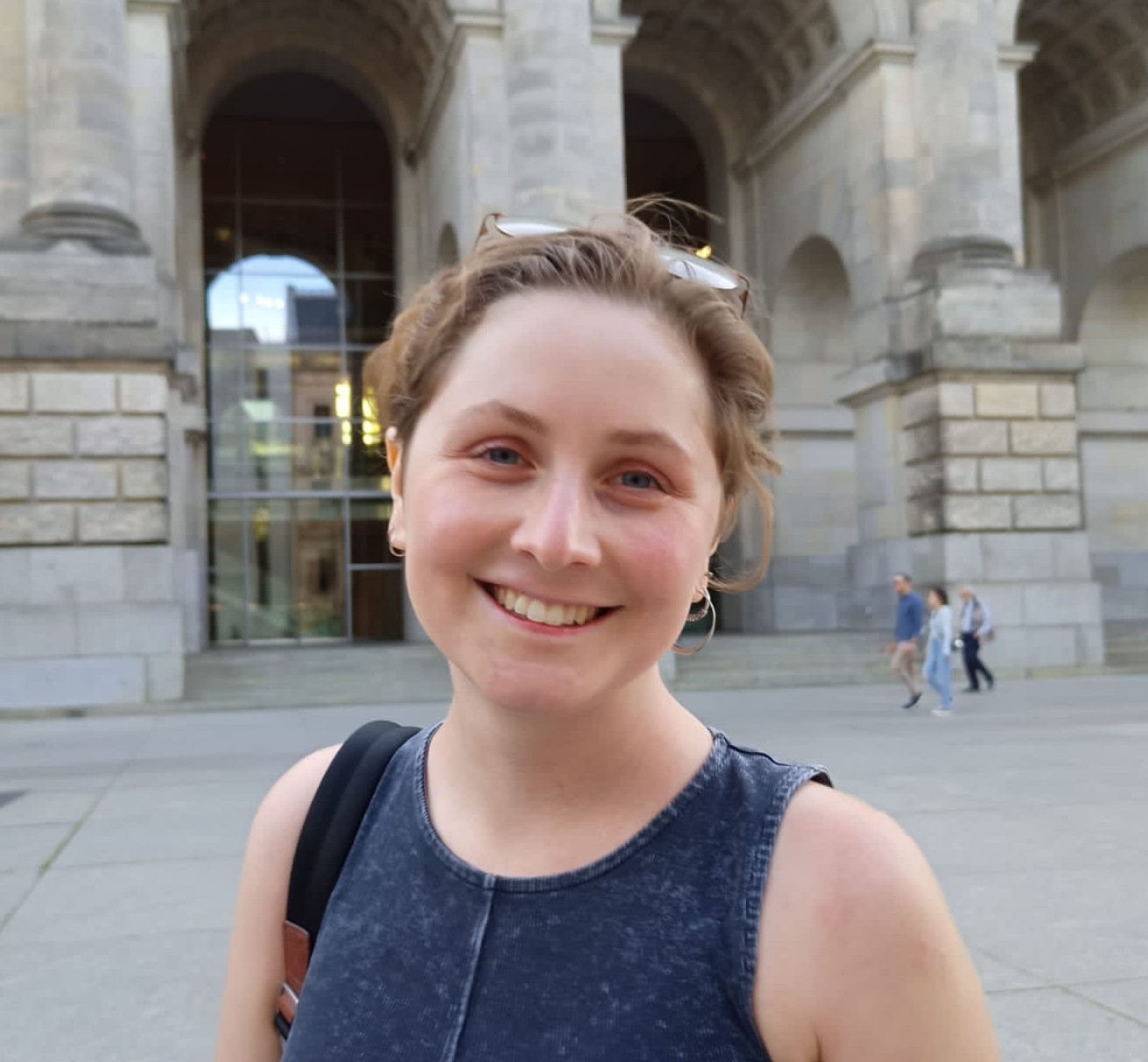
Gina (she / they) is a lecturer in early modern literature at the University of Manchester. She completed her PhD at the University of Bristol in 2025, with a project focussing on the materialities of death and grief in early modern drama: looking at inherited clothing, winding sheets and ghost costumes, and funeral effigies. She co-organised the Revels conference in 2025, and has previously worked on various qualitative research projects examining the impact of creativity (storytelling, theatre-making, singing) on experiences of bereavement. Currently, she is working on the appearance of ‘naked’ stage ghosts alongside an edited collection on Christopher Marlowe and material culture.
Sophia Richardson

Founding Member
Currently completing her PhD in Early Modern English literature at Yale University, Sophia explores how diverse material surfaces (glass, paint, fabric, skin) furnish early modern writers with a figurative vocabulary for their texts. Broader interests include the histories of medicine, fashion, and materiality. She teaches first-year undergraduate composition and serves as a writing fellow in the Graduate Writing Lab at Yale, as well as co-runs the Online Olio webinar series hosted by DigitalCavendish. She is currently deep into early modern cosmetics research, and while she does not advocate using lead-based cosmetics at home, please let her know if you’d like to get together for some egg-white or almond-paste facials.
Ellen Roberts

Founding Member
Ellen Roberts recently submitted her Linguistics PhD at Lancaster University. Her PhD thesis considered the linguistic nature of genre variation in early modern English dramatic texts. More broadly, she is interested in how computational methodologies can be applied to texts (especially literary and historical). In particular, her research focuses on the robustness/replicability of these digital methods, how these methodologies may aid our understanding of how language varies in texts, and how the methods may be implemented across different software.
Current Members
AJ Goga
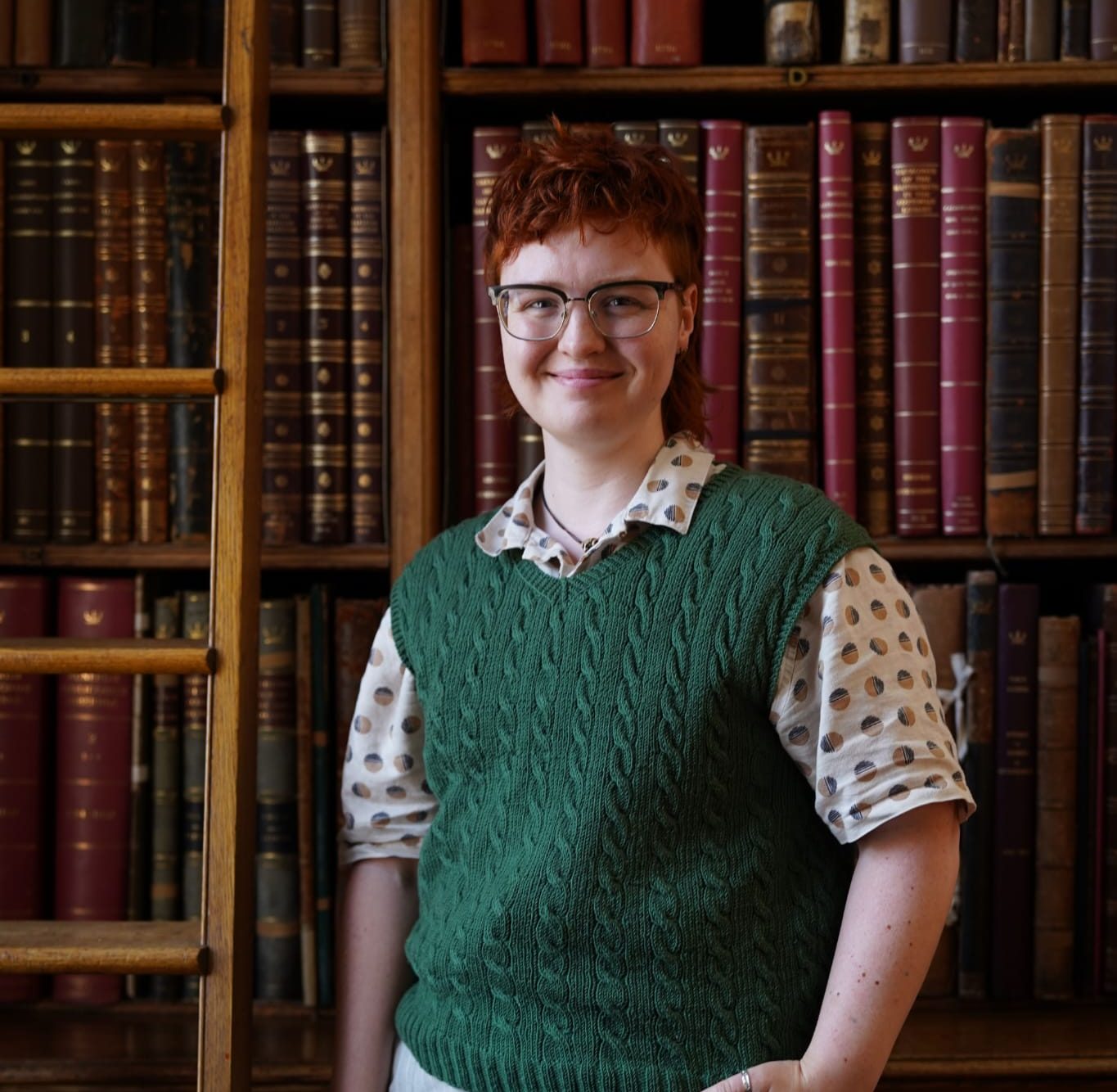
Aurora Jonathan Goga (they/them) is a PGR at University of Surrey who is researching early modern genderqueer spirits in demonology and poetry. They did their master’s about Ariel from The Tempest as a nonbinary figure in text and on stage at University of Bergen in Norway. They bench press and tell bad puns to practise lifting their spirits.
Photographer credits: Anna-Rose McChesney
Liesl Jensen

Liesl Jensen (she/her) is a PhD Candidate at the University of Birmingham’s Shakespeare Institute researching asexuality in early modern English literature and culture. She is the founder of the Guild of Queer Early Modernists, an organization dedicated to supporting and promoting queer scholars and scholars of queerness in early modern studies. Her work is interdisciplinary, and other research interests of hers are medical history, disability studies, queer editorial methods and textual studies. She has performance reviews forthcoming in multiple journals, has spoken about Shakespeare and cosmology at the Museum of Flight in Seattle, and presented her work internationally at conferences such as the Sixteenth Century Society and the Shakespeare Association of America.
Evelyn Reidy

Evelyn Reidy (she/hers) received her PhD at the University of Roehampton and Shakespeare’s Globe, funded by a AHRC Collaborative Doctoral Award. Her creative-critical research project focused on female and laboring class performers in non-commercial drama and their use of festive performance-as-protest in the early seventeenth century. This research was the basis for an original play titled Very Small Trouble, which tells the story of a group of performers in Wells, Somerset and their controversial Midsummer performances of 1607. Very Small Trouble was workshopped at Shakespeare’s Globe and recently performed as a staged reading at Mary Baldwin University. A paper detailing her thesis research and creative process was selected for the Shakespeare Association of America’s Next Generation Plenary (“NextGenPlen”) in 2025. She has published performance reviews in Shakespeare Bulletin, blogs with Shakespeare’s Globe, and has articles forthcoming for the Journal of Early Modern Cultural Studies and Shakespeare Studies. In 2025-2026, she is an Artistic Research Fellow at the Folger Shakespeare Library, where she is beginning research and development of her next creative-critical project.
Lucy Hurst
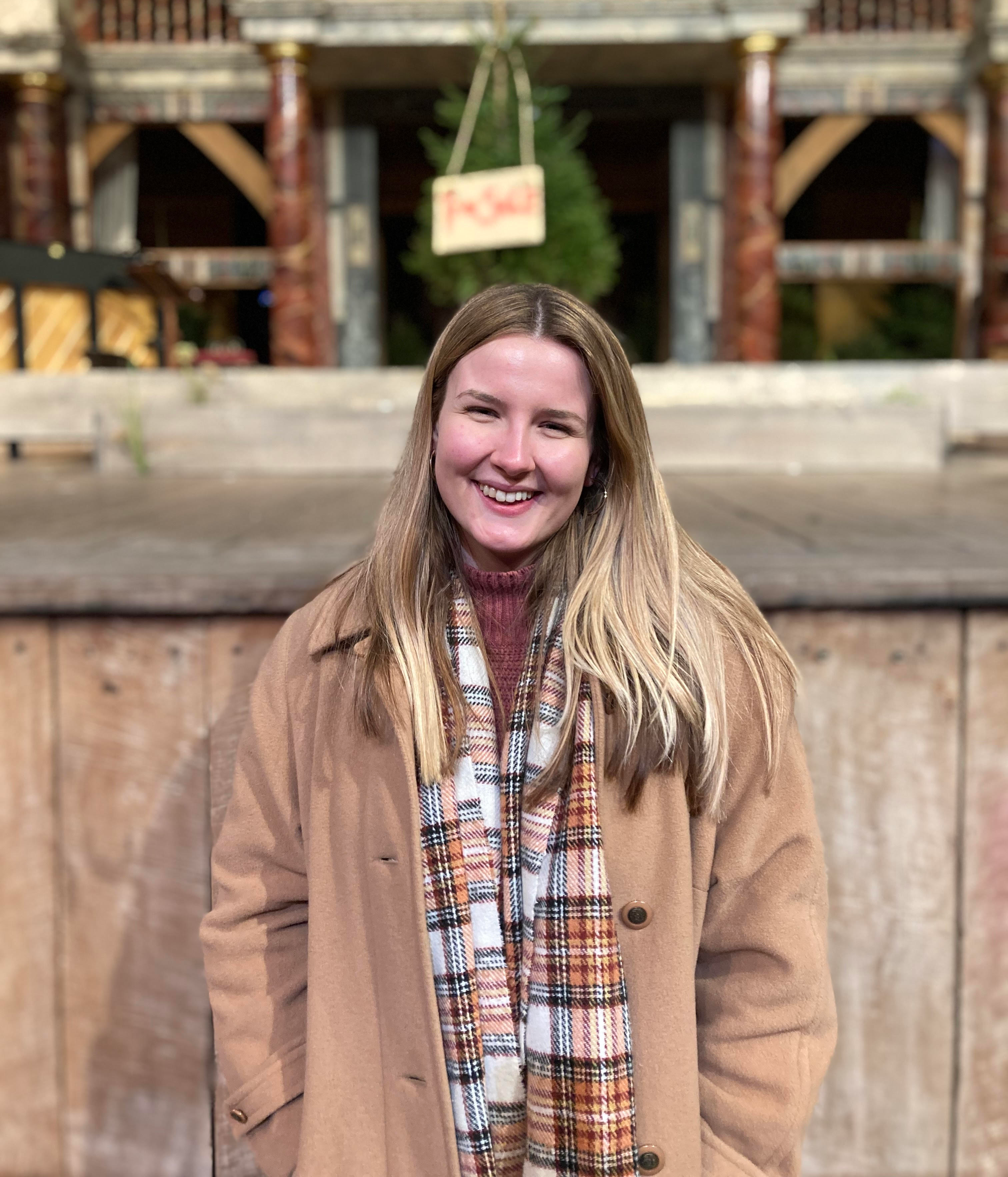
Lucy Hurst (she/her) is a PhD student at the University of Bristol, funded by the SWWDTP. Her project examines shame, its staging and the performance of shamelessness in early modern playhouses, with a particular interest in gender, queerness and privacy. She holds an MA in Shakespeare Studies from King’s College London, and a BA from the University of Birmingham. She sits on the Shakespeare Association of America’s Graduate Committee and is a member of the Revels Office and the Guild of Queer Early Modernists. Prior to her PhD, Lucy worked at Shakespeare’s Globe, for the UK’s only in-house theatre research team.
Shirley Bell
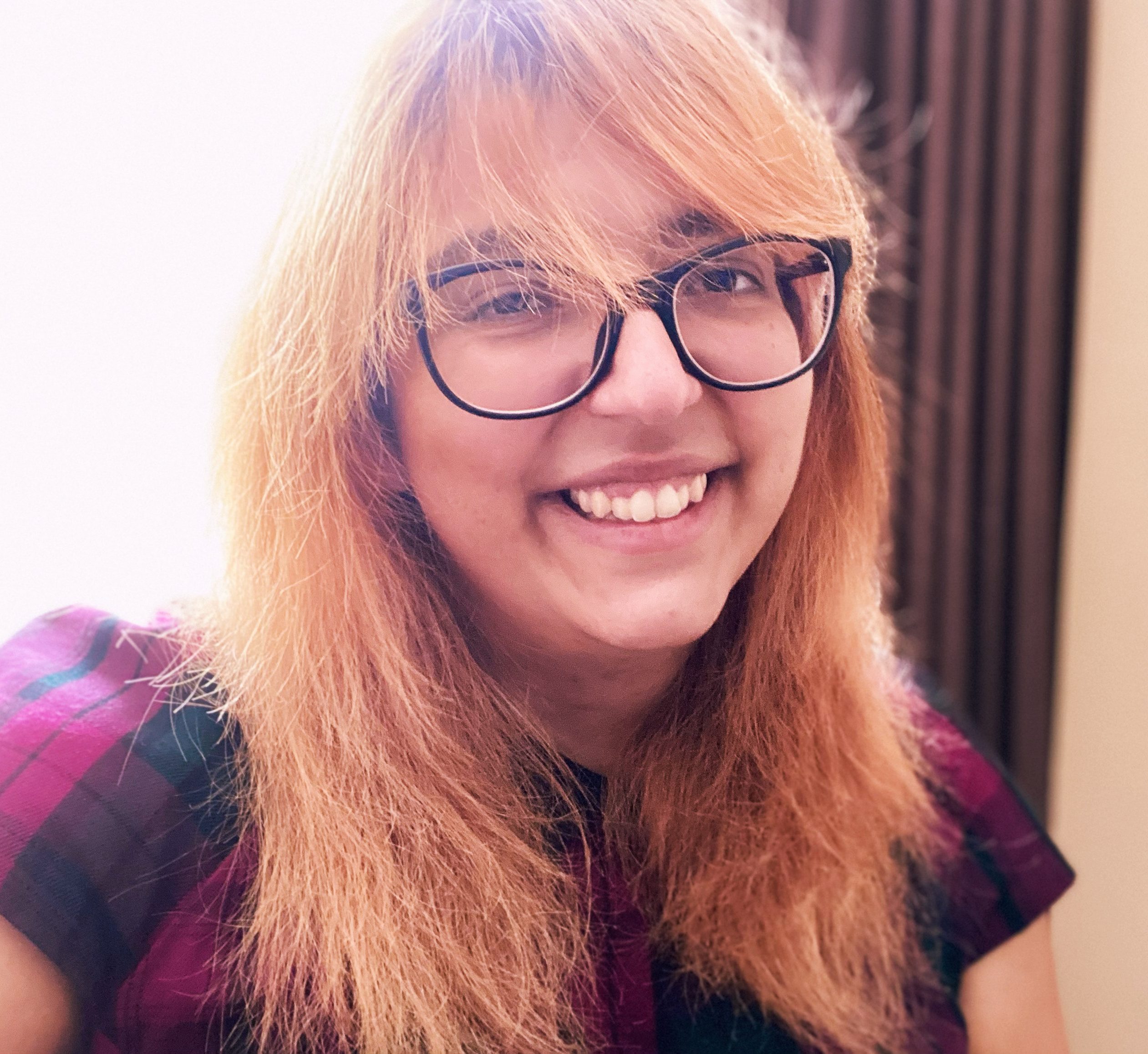
Dr Shirley Bell is an early career researcher and associate lecturer at Sheffield Hallam University, specialising in early modern drama. Her PhD thesis explored the use of music and song in the works of Richard Brome, James Shirley, and Ben Jonson to determine how much of an impact the music had on a holistic understanding of their plays in performance. She has spent the past two years editing her thesis into a book, and her book, “Music and Emotion on the Caroline Stage” will be published by Palgrave in May 2026.
Lily Schwieren
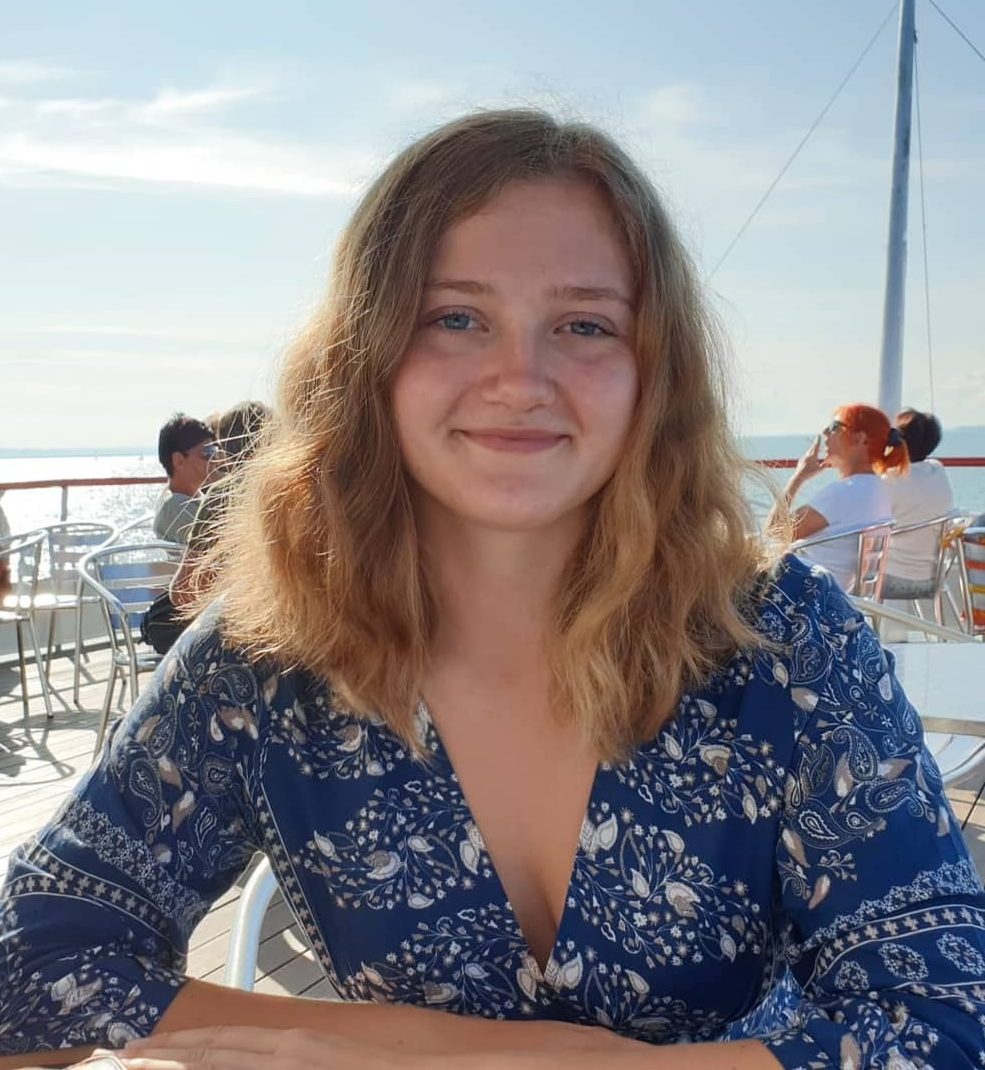
Lily is a doctoral researcher at the University of Luxembourg. Her PhD, which she started in February 2026, focuses on the entire corpus of John Lyly. In her research, she is looking at the fluidity of John Lyly’s plays and prose fiction, investigating gender, genre, and theatrical practices, as well as analysing concrete manifestations of fluidity – such as water and bodily fluids – in his work.
Louisa Pickard
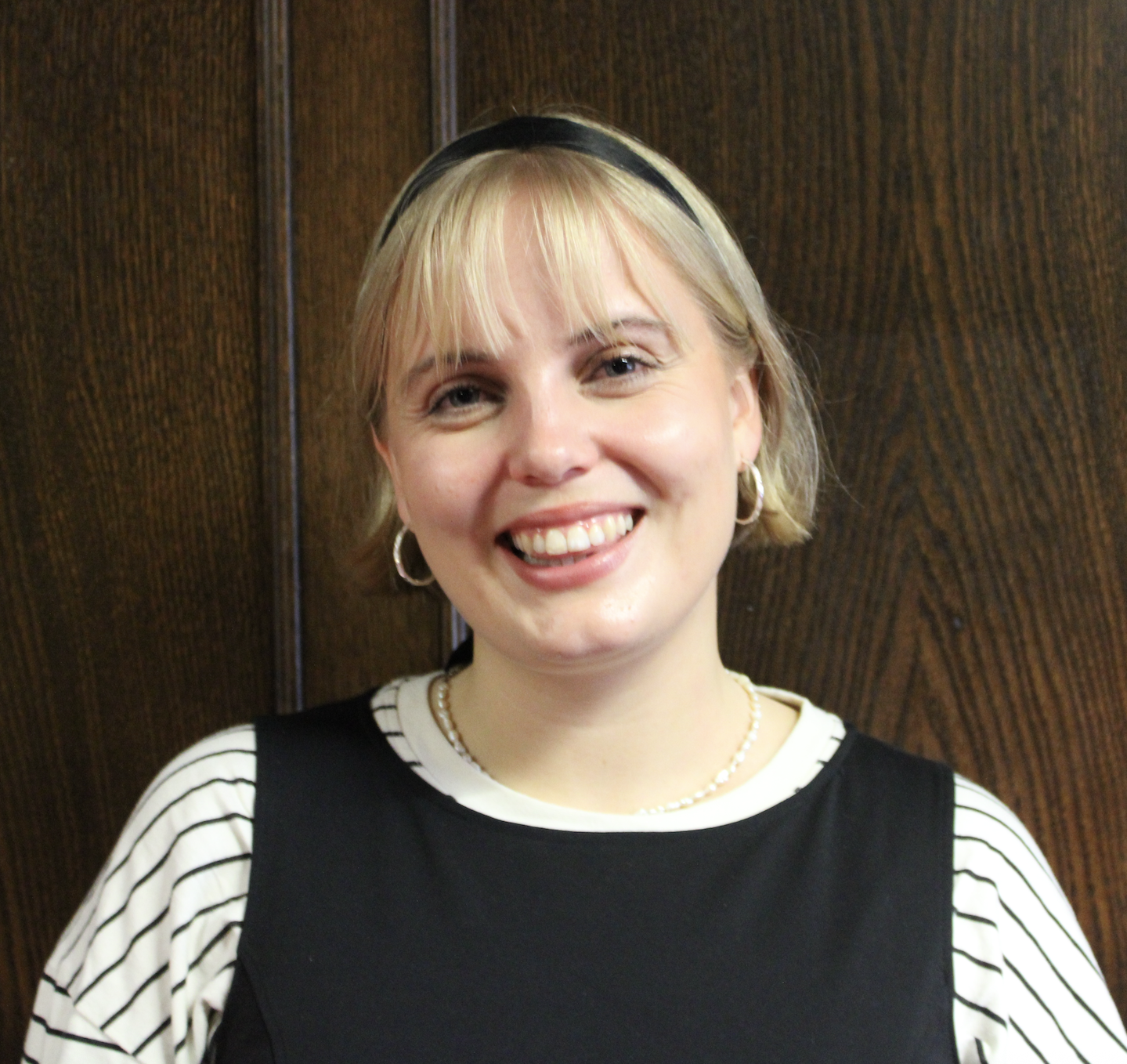
Louisa is a Midlands-4-Cities AHRC funded researcher based between The University of Birmingham and The University of Warwick, whose work is primarily interested in gender, body politics, and the performing arts. Her thesis interrogates menstrual shame in early modern theatre and song, where she pioneers practice for exploring menstrual euphemisms. Beyond the PhD, she has spent the past year teaching at The University of Warwick and is now completing a curation and media placement at The Shakespeare Birthplace Trust. Louisa loves nothing more than grabbing a coffee and talking all things stagey so feel free to get in touch via her social media handles:
@performingperiods
Caminey Kuropatwa
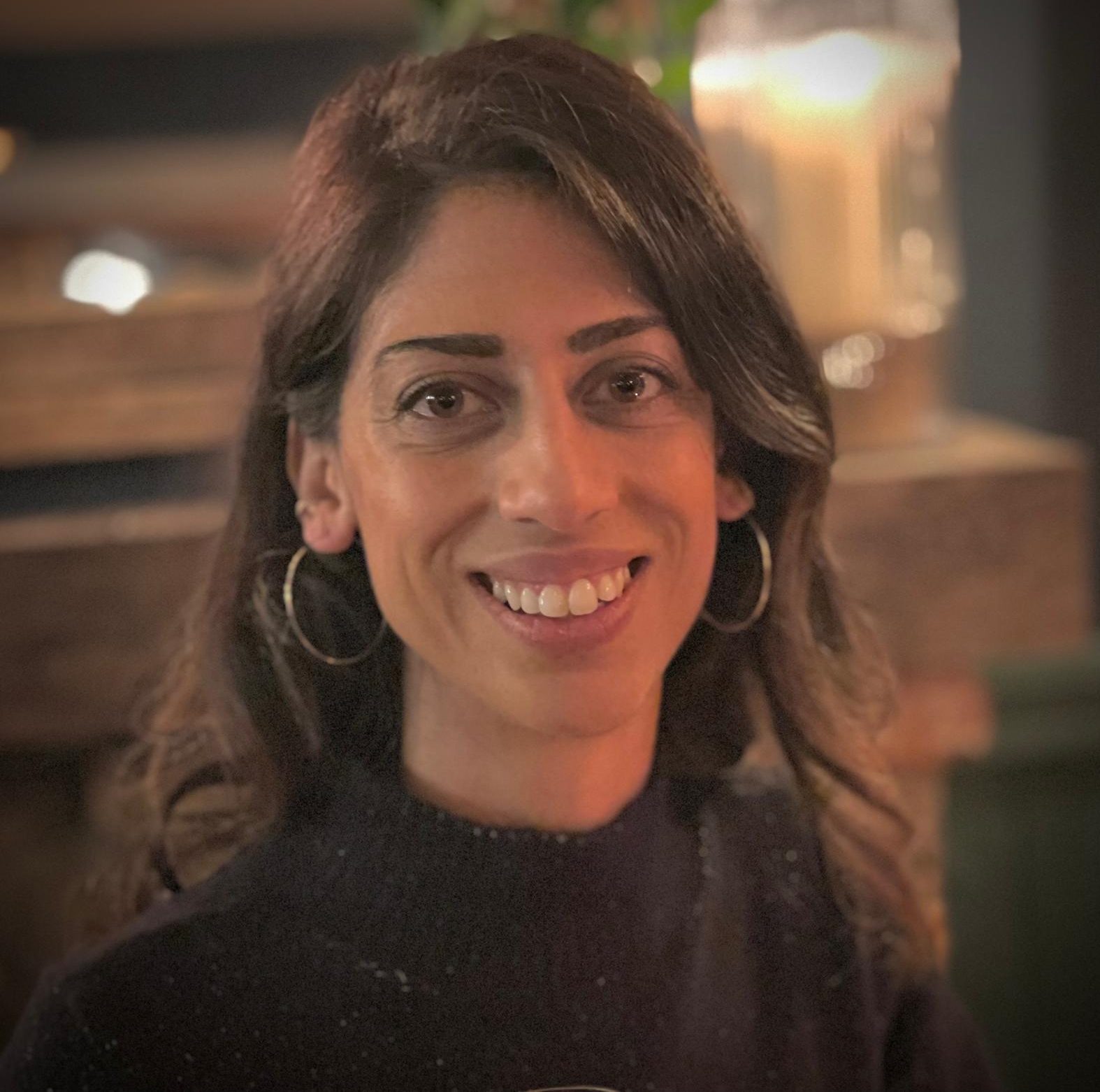
Caminey is a PhD student at The Shakespeare Institute at the University of Birmingham as a Wolfson Postgraduate Scholar in the Humanities. Her research examines the articulation of mixedness and interracialism in early modern drama. She is interested in how archival records and early modern documents can allow us to reconstruct the experience and perception of mixed identities, and hopes to use these historical insights to contribute to ongoing contemporary discourses around identity, inclusion and nationhood. Her chapter on mixedness appears in the Routledge publication ‘Shakespeare International Yearbook: Mixed Race Studies’.
Allison Lemley
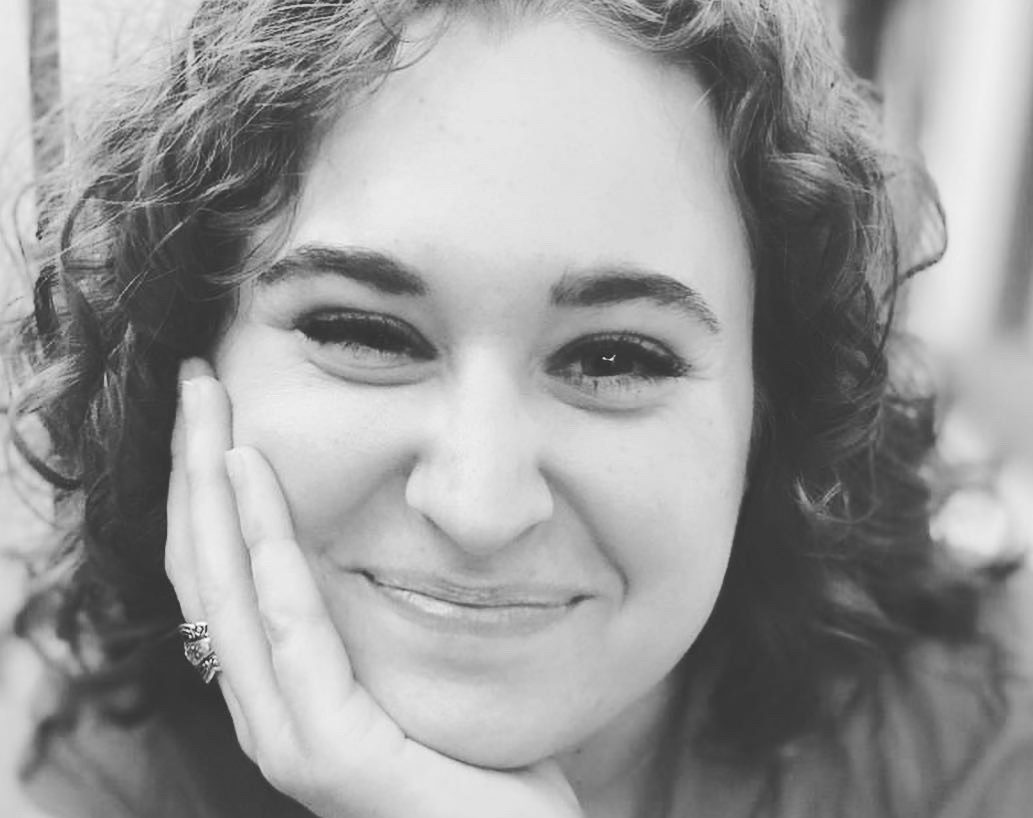
Allison (she/her) is a lecturer at the University of Bamberg. Her research focuses on cultural memory, early modern and contemporary performance, audience reception, and history plays. She is currently the book reviews co-editor of the Shakespeare Jahrbuch, the annual journal published by the German Shakespeare Association.
Rachel Breckon

Rachel Breckon (she/her) is a PhD researcher at Northumbria University, Newcastle, funded by the Northern Bridge Consortium DTP. Her project, ‘Mixed-Race Literacy in Early Modern Travel Plays: A Blue Humanities Approach’, aims to read and destabilise the construction of binary racial identities in early modern drama (c. 1590-1642) by combining the Blue Humanities with Premodern Critical Race Studies. Rachel holds a Postgraduate Certificate in Shakespeare from the Shakespeare Institute and an MA in English Literature from Northumbria University. She is also a member of the Early Modern Scholars of Colour Network and the Critical Mixed Race Association.
Kibria Nasir

Kibria Nasir is a Stanley Ray Scholar and PhD researcher in Shakespeare Studies at the Shakespeare Institute, University of Birmingham. Her research explores performative adaptations of Shakespeare in Indian theatre, with a particular focus on regional performance traditions, intercultural exchange, spectatorship, and performance ecologies. She is interested in the relationship between performance practice and scholarship. More broadly, her interests include global Shakespeare, adaptation, theatre history, and audience reception. Alongside her doctoral research, she serves as Production Manager for the Journal of Embodied Research.
Raffaella Sero
Hannah Merlander
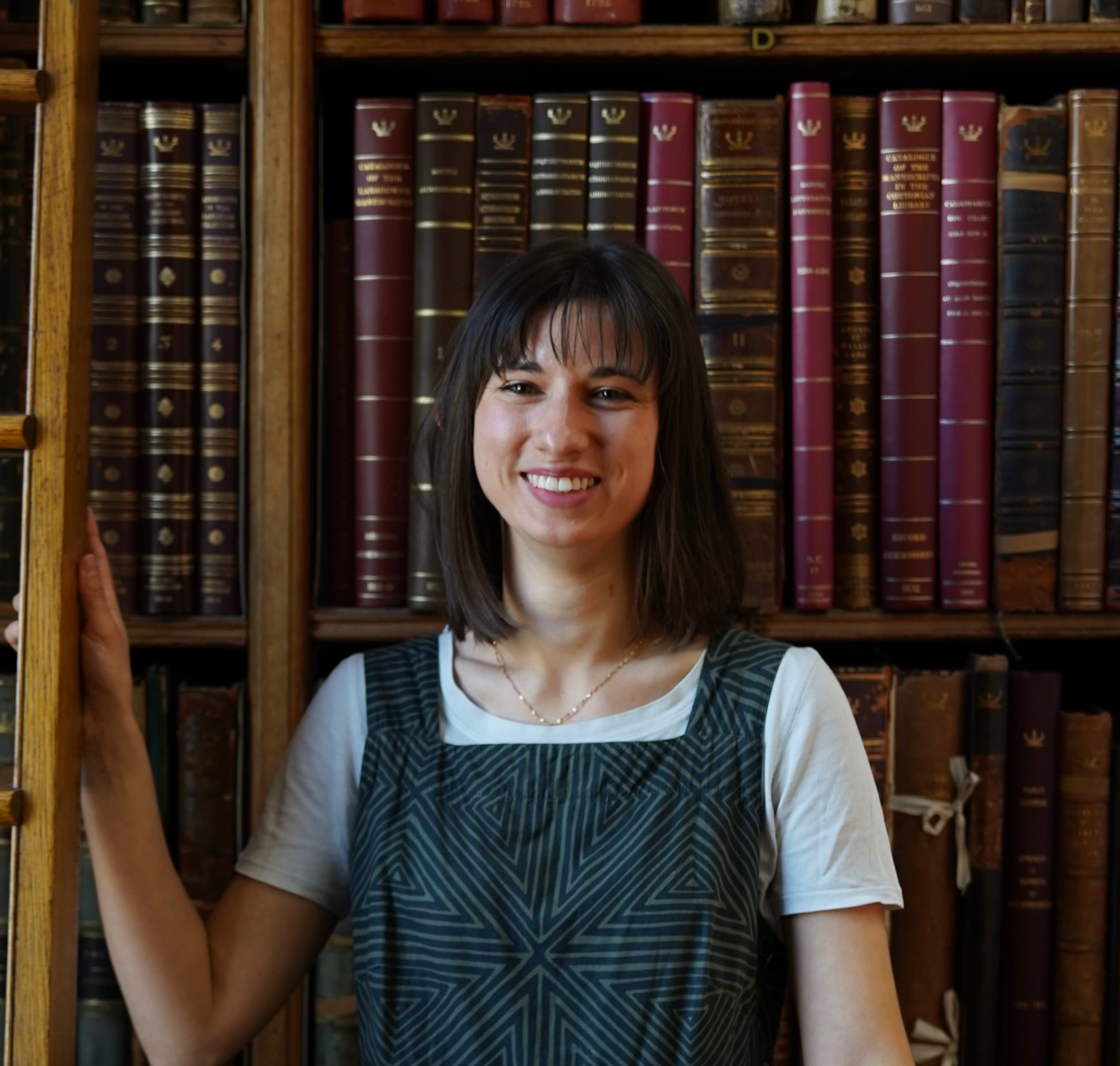
Hannah Merlander is a PhD student in the Department of English at King’s College London where her research is funded by the London Arts and Humanities Partnership. Her project queries accepted hierarchies of stage space by attending to material practices and imaginative lives of the early modern tiring house. Prior to beginning her research degree, Hannah worked at a drama school in London, and she maintains an active research interest in contemporary theatre practice.
Photographer credits: Anna-Rose McChesney

